Tag: Physical AI

  • Perceptyne’s founders on why 2026 could be the year of deployment of robots

    Perceptyne’s founders on why 2026 could be the year of deployment of robots

    In this year’s first episode, I’m joined by Mrutyunjaya NRaviteja Chivukala and Jagga Raju N to unpack why and how they started Perceptyne Robots, and what it takes to build an AI-native robotic system out of India.

    Perceptyne is a Hyderabad-based company building dexterous, dual-arm, intelligent robots for industrial automation, currently focused on automotive and electronics manufacturing lines.

    The founders explain the gap they saw on real shop floors, where many assembly stations still rely on manual work because traditional approaches cannot handle unstructured inputs, fine force control, or frequent product changes.

    The conversation goes into their vertically integrated hardware, including mobile configurations, and their PR-PhI “physical intelligence” software layer that orchestrates perception, control, and imitation-learning–based skills like visual servo, slip-free grasping, and force-based assembly.

    You will also hear their take on the state of India’s robotics ecosystem, the evolution of robots as a combined hardware-and-software challenge, and how they are moving from pilots with global automotive and electronics manufacturers toward larger deployments. Perceptyne, which turns four this year, is backed by two well-known deep-tech VC firms,  Yali Capital and Endiya Partners.

  • Coming up: Founders of Perceptyne Robots on 2026, the year of deployment

    Coming up: Founders of Perceptyne Robots on 2026, the year of deployment

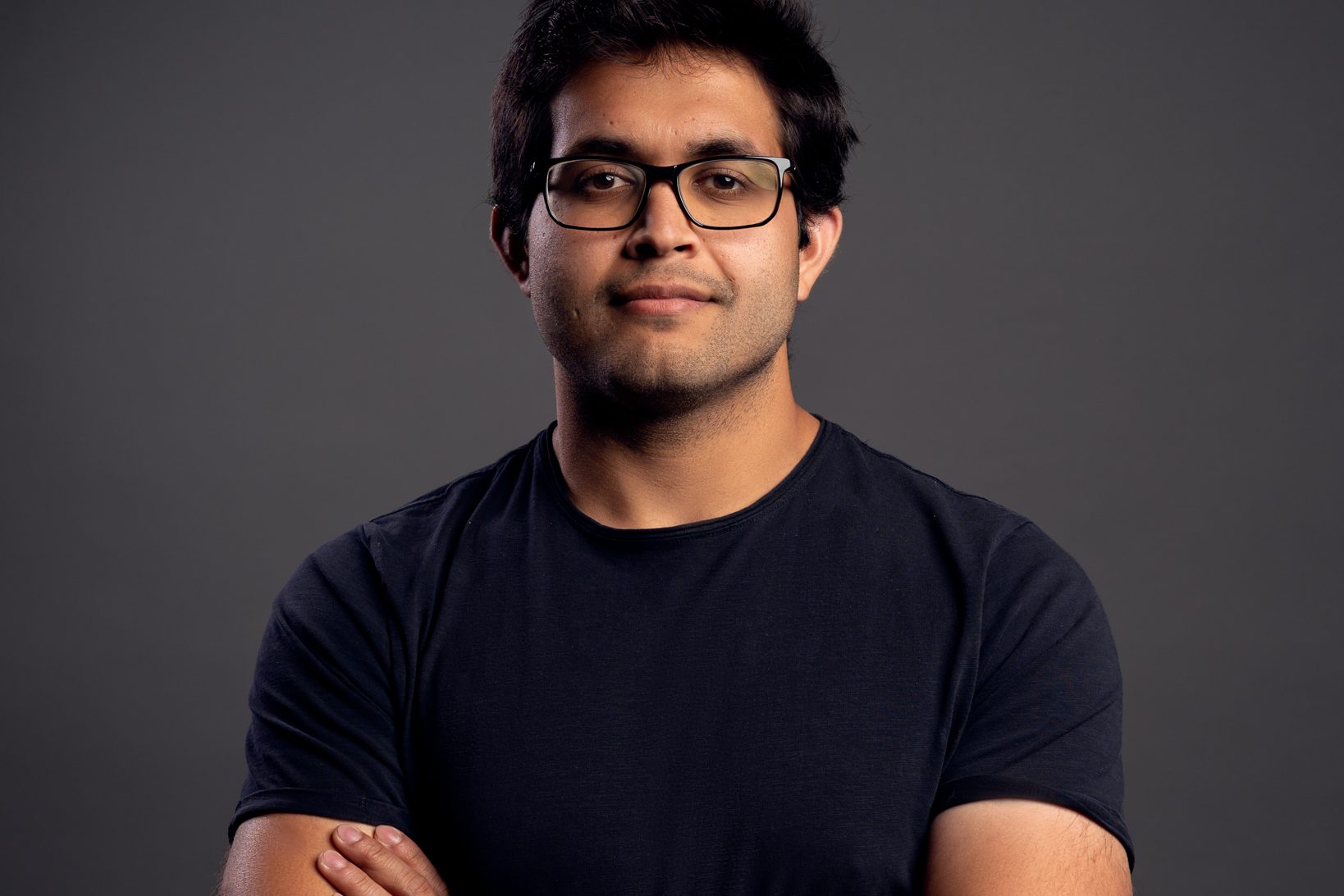
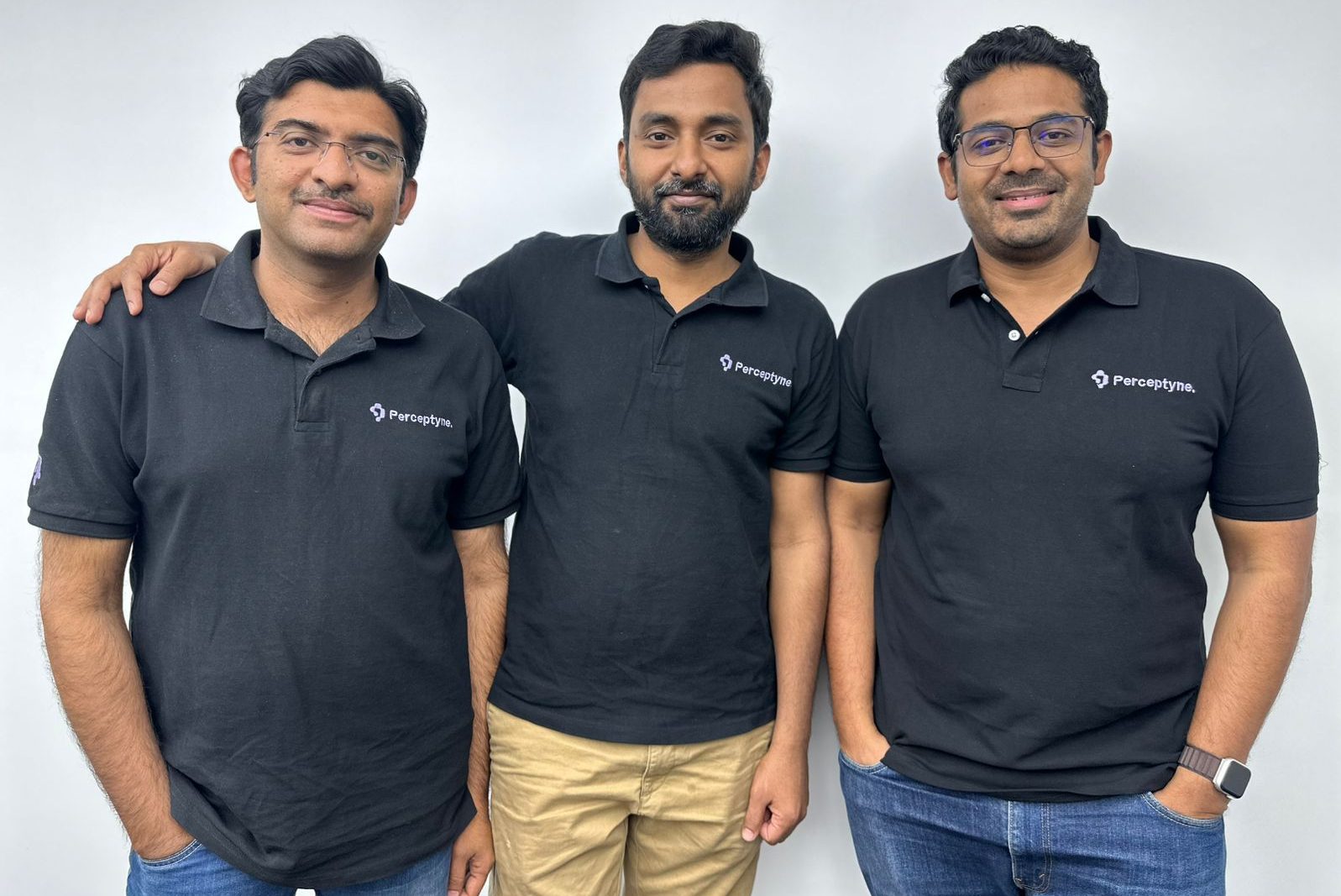
    Founders of Perceptyne Robots, Mrutyunjaya N, Raviteja Chivukala and Jagga Raju N are building autonomous, dexterous robots and the physical AI stack needed.

    Happy new year to all of you deep tech enthusiasts in India. An area in which 2026 is already shaping up to be one that will likely see advances, is robotics and automation and the AI needed for this, being called physical AI or even ’embodied AI’.

    If you caught Boston Dynamics CSO Marc Theermann recently saying the company’s Atlas humanoid is “not designed for YouTube” but for the real world, what’s your view on that — premature or prophetic? Will 2026 show us?

    Listen to the preview

    To kick off my reports this year, I got a chance to chat with a dynamic entrepreneur trio building what they say will be autonomous and dexterous robots for the real world — at Perceptyne Robots.

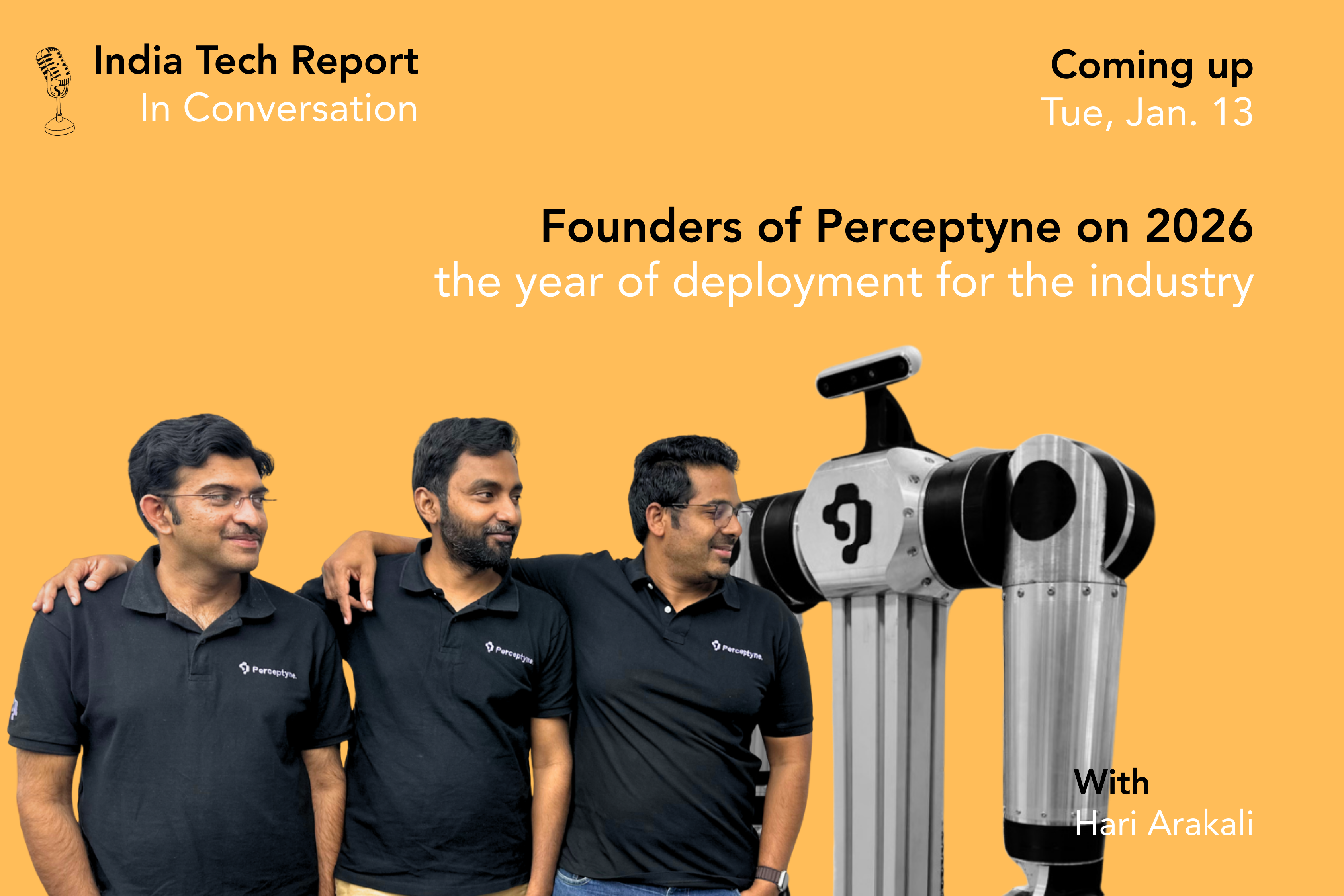
    So, coming up on Tuesday, Jan. 13, this year’s first episode of India Tech Report: In Conversation, will feature Mrutyunjaya N, Raviteja Chivukala and Jagga Raju N, co-founders of this Hyderabad-based robotics and physical AI startup.

    Their venture, which turns four this year, is backed a couple of well-known deep-tech VC firms, Yali Capital and Endiya Partners. Catch the full conversation right here, or wherever you get your podcasts. Here’s a less-than-a-minute preview.
  • Neil Shah at Counterpoint on Panther Lake and Intel’s robotics play

    Neil Shah at Counterpoint on Panther Lake and Intel’s robotics play

    In today’s episode, Neil Shah, co-founder and vice president at Counterpoint Technology Market Research, gives us a quick take on Intel’s new Panther Lake processor and its potential use cases in robotics and physical AI.

    Intel’s new Panther Lake SoC marks a defining turn in the company’s roadmap toward robotics-ready edge computing. In this quick-take episode, Neil explains how the chip’s modular ‘chiplet’ design, delivering up to 180 trillion operations per second (TOPS), could make Intel a contender below Nvidia’s high-end robotics tier.

    He also weighs in on the ‘physical AI’ applications for robots that sense, analyze, and act locally. And is there an opportunity here for India’s fabless chip design startups? Stay on to hear Neil’s views on this.

    Neil Shah
    https://counterpointresearch.com/default.htm/opinion-leader/Shah?id=10

    Intel’s Panther Lake press release
    https://newsroom.intel.com/client-computing/intel-unveils-panther-lake-architecture-first-ai-pc-platform-built-on-18a

    More on Intel’s Physical AI software suite
    https://community.intel.com/t5/Blogs/Tech-Innovation/Artificial-Intelligence-AI/Simplify-Physical-AI-Deployment-with-Intel-Robotics-AI-Suite/post/1719666

  • Rishabh Agarwal at PeerRobotics on breaking the adoption barriers for collaborative robots

    Rishabh Agarwal at PeerRobotics on breaking the adoption barriers for collaborative robots

    In today’s episode, Rishabh Agarwal, Co-founder and CEO of PeerRobotics, gives us a sense of how automation is changing for small and mid-sized manufacturers and outlines his vision for collaborative robotics. Rishabh shares his experience and perspective on the factory floor transition to advanced robotics.

    With a background in manufacturing and technical training from IIT Delhi and the University of Maryland, Agarwal built PeerRobotics with the aim of simplifying human-robot interaction and making automation intuitive for even non-technical users. The six-year-old company’s systems are designed for practical deployment in diverse industrial settings, where robots learn routes through human demonstration and adapt to existing workflows.

    Agarwal also describes how PeerRobotics approaches product development, aiming to own the whole stack. The company takes advantage of doing much of its engineering and development at its centres in India, while also tapping advanced R&D experience in the US in certain areas like computer vision.